Celiac Disease vs. Gluten Sensitivity: What’s the Difference?
- posted: Nov. 19, 2025
If you’ve ever felt bloated, fatigued, or uncomfortable after eating bread, pasta, or other gluten-containing foods, you’re not alone. Many people experience digestive issues related to gluten—but not all of them have the same condition.
Two of the most common gluten-related disorders are celiac disease and non-celiac gluten sensitivity (NCGS). While the symptoms may overlap, the underlying causes and treatments are quite different. Understanding the difference can help you manage your diet and protect your long-term digestive health.
What Is Gluten?
Gluten is a protein found in grains like wheat, barley, and rye. It helps dough rise and gives bread its chewy texture.
For most people, gluten is harmless—but in some, it triggers an immune reaction or sensitivity that can cause digestive distress and other health problems.
Celiac Disease: An Autoimmune Disorder
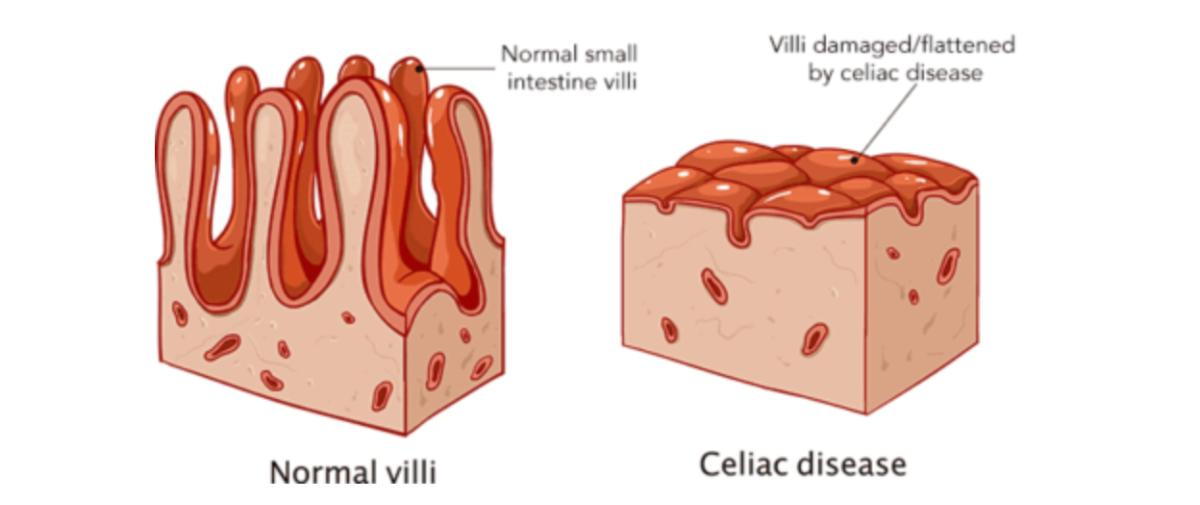
Celiac disease is an autoimmune condition where the body’s immune system mistakenly attacks the small intestine after gluten is consumed.
Over time, this damages the intestinal lining (the villi), which can lead to nutrient deficiencies and long-term health problems if untreated.
Common symptoms of celiac disease include:
Chronic diarrhea or constipation
Abdominal pain and bloating
Fatigue or weakness
Unexplained weight loss
Anemia (low iron levels)
Skin rash (dermatitis herpetiformis)
Bone or joint pain
Diagnosis:
Celiac disease is diagnosed through blood tests that detect specific antibodies and confirmed with an upper endoscopy and small intestine biopsy.
Treatment:
The only effective treatment is a strict, lifelong gluten-free diet. Even small amounts of gluten can cause intestinal damage.
Non-Celiac Gluten Sensitivity (NCGS)
People with gluten sensitivity (sometimes called gluten intolerance) experience similar symptoms to celiac disease—but without autoimmune damage or positive blood tests.
Common symptoms of gluten sensitivity include:
Bloating and abdominal pain
Gas or diarrhea
Brain fog or fatigue
Headaches
Unlike celiac disease, gluten sensitivity does not damage the intestines or cause long-term complications. However, it can still significantly affect quality of life.
Diagnosis:
There is no specific test for gluten sensitivity. It’s typically diagnosed after celiac disease and wheat allergy are ruled out, and symptoms improve on a gluten-free diet.
Treatment:
Most people with gluten sensitivity feel better by reducing or eliminating gluten from their diet, though small amounts may be tolerated depending on the individual.
Foods to Avoid if You’re Sensitive to Gluten
Gluten is found in many common foods, including:
Bread, pasta, and cereals made from wheat, barley, or rye
Baked goods and pastries
Beer and malt beverages
Processed foods, sauces, and soups with hidden gluten
Naturally gluten-free foods include:
Fruits and vegetables
Meat, poultry, and fish (unbreaded)
Rice, quinoa, corn, and gluten-free oats
Beans, nuts, and seeds
We’re Here to Help You Manage Gluten-Related Disorders
At Gastrointestinal & Liver Consultants, our specialists diagnose and manage complex digestive conditions, including celiac disease and gluten sensitivity.
If you’re experiencing chronic bloating, abdominal pain, or unexplained fatigue, our team can help identify the cause and create a personalized plan to restore your digestive health.
Schedule a consultation today to learn whether gluten could be affecting your gut—and how to take control of your health through proper diagnosis and diet management.
- posted: Nov. 19, 2025
If you’ve ever felt bloated, fatigued, or uncomfortable after eating bread, pasta, or other gluten-containing foods, you’re not alone. Many people experience digestive issues related to gluten—but not all of them have the same condition.
Two of the most common gluten-related disorders are celiac disease and non-celiac gluten sensitivity (NCGS). While the symptoms may overlap, the underlying causes and treatments are quite different. Understanding the difference can help you manage your diet and protect your long-term digestive health.
What Is Gluten?
Gluten is a protein found in grains like wheat, barley, and rye. It helps dough rise and gives bread its chewy texture.
For most people, gluten is harmless—but in some, it triggers an immune reaction or sensitivity that can cause digestive distress and other health problems.
Celiac Disease: An Autoimmune Disorder
Celiac disease is an autoimmune condition where the body’s immune system mistakenly attacks the small intestine after gluten is consumed.
Over time, this damages the intestinal lining (the villi), which can lead to nutrient deficiencies and long-term health problems if untreated.
Common symptoms of celiac disease include:
Chronic diarrhea or constipation
Abdominal pain and bloating
Fatigue or weakness
Unexplained weight loss
Anemia (low iron levels)
Skin rash (dermatitis herpetiformis)
Bone or joint pain
Diagnosis:
Celiac disease is diagnosed through blood tests that detect specific antibodies and confirmed with an upper endoscopy and small intestine biopsy.
Treatment:
The only effective treatment is a strict, lifelong gluten-free diet. Even small amounts of gluten can cause intestinal damage.
Non-Celiac Gluten Sensitivity (NCGS)
People with gluten sensitivity (sometimes called gluten intolerance) experience similar symptoms to celiac disease—but without autoimmune damage or positive blood tests.
Common symptoms of gluten sensitivity include:
Bloating and abdominal pain
Gas or diarrhea
Brain fog or fatigue
Headaches
Unlike celiac disease, gluten sensitivity does not damage the intestines or cause long-term complications. However, it can still significantly affect quality of life.
Diagnosis:
There is no specific test for gluten sensitivity. It’s typically diagnosed after celiac disease and wheat allergy are ruled out, and symptoms improve on a gluten-free diet.
Treatment:
Most people with gluten sensitivity feel better by reducing or eliminating gluten from their diet, though small amounts may be tolerated depending on the individual.
Foods to Avoid if You’re Sensitive to Gluten
Gluten is found in many common foods, including:
Bread, pasta, and cereals made from wheat, barley, or rye
Baked goods and pastries
Beer and malt beverages
Processed foods, sauces, and soups with hidden gluten
Naturally gluten-free foods include:
Fruits and vegetables
Meat, poultry, and fish (unbreaded)
Rice, quinoa, corn, and gluten-free oats
Beans, nuts, and seeds
We’re Here to Help You Manage Gluten-Related Disorders
At Gastrointestinal & Liver Consultants, our specialists diagnose and manage complex digestive conditions, including celiac disease and gluten sensitivity.
If you’re experiencing chronic bloating, abdominal pain, or unexplained fatigue, our team can help identify the cause and create a personalized plan to restore your digestive health.
Schedule a consultation today to learn whether gluten could be affecting your gut—and how to take control of your health through proper diagnosis and diet management.
