Chronic Hepatitis B: Causes, Symptoms, Diagnosis, and Treatment
- posted: Jan. 07, 2026
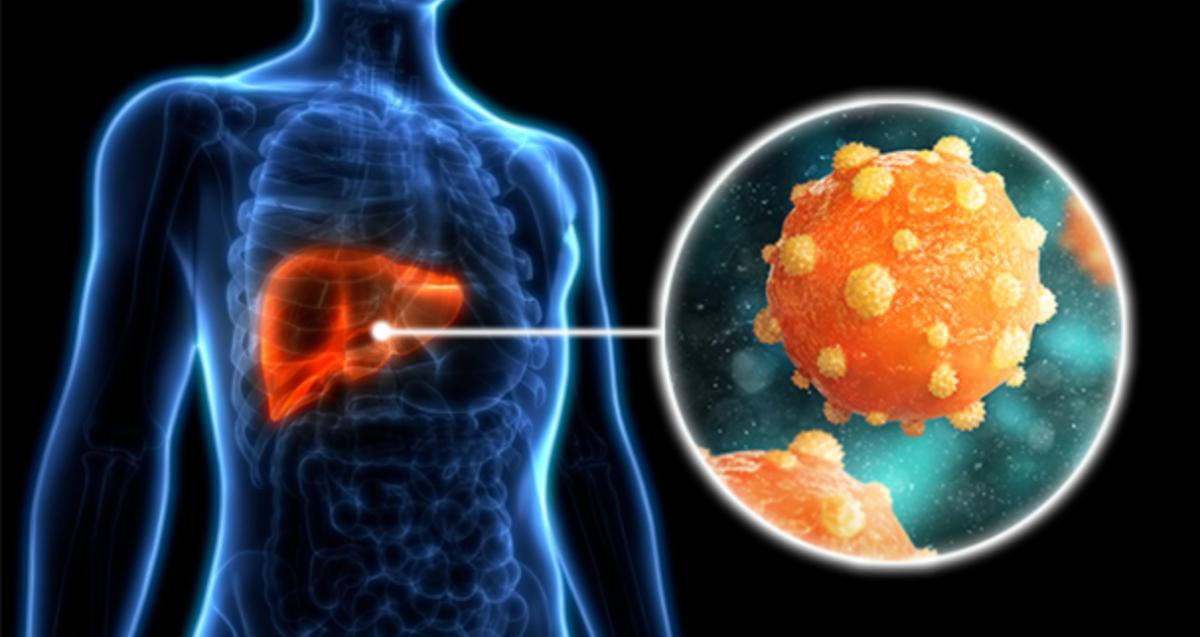
Chronic hepatitis B is a long-term liver infection caused by the hepatitis B virus (HBV). It affects millions of people worldwide and is a leading cause of cirrhosis and liver cancer. Many individuals have no symptoms for years, making early detection and regular monitoring essential.
Unlike hepatitis C, hepatitis B is vaccine-preventable, and effective treatments are available to control the virus and protect liver health.
What Is Chronic Hepatitis B?
Chronic hepatitis B occurs when the body does not clear the hepatitis B virus within six months of infection. The virus remains active in the liver, causing ongoing inflammation that can slowly damage liver tissue.
Without treatment or proper follow-up, chronic hepatitis B can lead to:
- Liver fibrosis or cirrhosis
- Liver failure
- Hepatocellular carcinoma (liver cancer)
- Need for liver transplantation
Although hepatitis B is usually not curable, modern antiviral medications can suppress the virus and significantly reduce complications.
How Is Hepatitis B Spread?
Hepatitis B is transmitted through contact with infected blood or body fluids, including:
- Mother-to-child transmission at birth
- Unprotected sexual contact
- Sharing needles or injection equipment
- Occupational blood exposure
- Unsterile tattoos or piercings
It is not spread through casual contact such as hugging or sharing food.
Symptoms of Chronic Hepatitis B
Many patients have no symptoms, especially early in the disease. When present, symptoms may include:
- Fatigue
- Loss of appetite
- Nausea or abdominal discomfort
- Dark urine or pale stools
- Yellowing of the skin or eyes (jaundice)
- Easy bruising or swelling in advanced disease
Because symptoms are often silent, screening is critical.
Diagnosis and Monitoring
Chronic hepatitis B is diagnosed with blood tests and imaging:
- HBsAg: Confirms chronic infection
- HBV DNA (viral load): Measures viral activity
- Liver enzymes (ALT, AST): Assess inflammation
- FibroScan or ultrasound: Evaluates liver damage
Regular monitoring helps determine when treatment is needed and screens for liver cancer.
Treatment Options
Antiviral Therapy
Patients with active disease may require long-term antiviral medications such as:
- Tenofovir
- Entecavir
These treatments suppress viral replication, slow liver damage, and reduce the risk of cirrhosis and liver cancer.
Liver-Healthy Lifestyle
- Avoid alcohol
- Maintain a healthy weight
- Control diabetes and metabolic conditions
- Avoid unnecessary liver-toxic medications
- Get vaccinated for hepatitis A if not immune
Prevention
Hepatitis B is preventable through vaccination. Additional prevention measures include:
- Safe sex practices
- Avoid sharing needles or personal items
- Use sterile tattoo and piercing equipment
- Screening and vaccination of household contacts
When to See a GI or Liver Specialist
You should seek medical care if you have abnormal liver tests, known hepatitis B exposure, family history of liver cancer, or risk factors such as lack of vaccination or birth in an endemic area.
Chronic hepatitis B is a lifelong but manageable condition. With early diagnosis, regular monitoring, and appropriate treatment, most patients can maintain good liver health and prevent serious complications.
If you are unsure of your hepatitis B status or vaccination history, talk to your healthcare provider — a simple blood test can make a lasting difference.
- posted: Jan. 07, 2026
Chronic hepatitis B is a long-term liver infection caused by the hepatitis B virus (HBV). It affects millions of people worldwide and is a leading cause of cirrhosis and liver cancer. Many individuals have no symptoms for years, making early detection and regular monitoring essential.
Unlike hepatitis C, hepatitis B is vaccine-preventable, and effective treatments are available to control the virus and protect liver health.
What Is Chronic Hepatitis B?
Chronic hepatitis B occurs when the body does not clear the hepatitis B virus within six months of infection. The virus remains active in the liver, causing ongoing inflammation that can slowly damage liver tissue.
Without treatment or proper follow-up, chronic hepatitis B can lead to:
- Liver fibrosis or cirrhosis
- Liver failure
- Hepatocellular carcinoma (liver cancer)
- Need for liver transplantation
Although hepatitis B is usually not curable, modern antiviral medications can suppress the virus and significantly reduce complications.
How Is Hepatitis B Spread?
Hepatitis B is transmitted through contact with infected blood or body fluids, including:
- Mother-to-child transmission at birth
- Unprotected sexual contact
- Sharing needles or injection equipment
- Occupational blood exposure
- Unsterile tattoos or piercings
It is not spread through casual contact such as hugging or sharing food.
Symptoms of Chronic Hepatitis B
Many patients have no symptoms, especially early in the disease. When present, symptoms may include:
- Fatigue
- Loss of appetite
- Nausea or abdominal discomfort
- Dark urine or pale stools
- Yellowing of the skin or eyes (jaundice)
- Easy bruising or swelling in advanced disease
Because symptoms are often silent, screening is critical.
Diagnosis and Monitoring
Chronic hepatitis B is diagnosed with blood tests and imaging:
- HBsAg: Confirms chronic infection
- HBV DNA (viral load): Measures viral activity
- Liver enzymes (ALT, AST): Assess inflammation
- FibroScan or ultrasound: Evaluates liver damage
Regular monitoring helps determine when treatment is needed and screens for liver cancer.
Treatment Options
Antiviral Therapy
Patients with active disease may require long-term antiviral medications such as:
- Tenofovir
- Entecavir
These treatments suppress viral replication, slow liver damage, and reduce the risk of cirrhosis and liver cancer.
Liver-Healthy Lifestyle
- Avoid alcohol
- Maintain a healthy weight
- Control diabetes and metabolic conditions
- Avoid unnecessary liver-toxic medications
- Get vaccinated for hepatitis A if not immune
Prevention
Hepatitis B is preventable through vaccination. Additional prevention measures include:
- Safe sex practices
- Avoid sharing needles or personal items
- Use sterile tattoo and piercing equipment
- Screening and vaccination of household contacts
When to See a GI or Liver Specialist
You should seek medical care if you have abnormal liver tests, known hepatitis B exposure, family history of liver cancer, or risk factors such as lack of vaccination or birth in an endemic area.
Chronic hepatitis B is a lifelong but manageable condition. With early diagnosis, regular monitoring, and appropriate treatment, most patients can maintain good liver health and prevent serious complications.
If you are unsure of your hepatitis B status or vaccination history, talk to your healthcare provider — a simple blood test can make a lasting difference.
