GERD Diet: What to Eat and Avoid for Acid Reflux Relief
- posted: Feb. 25, 2026
What Is GERD?
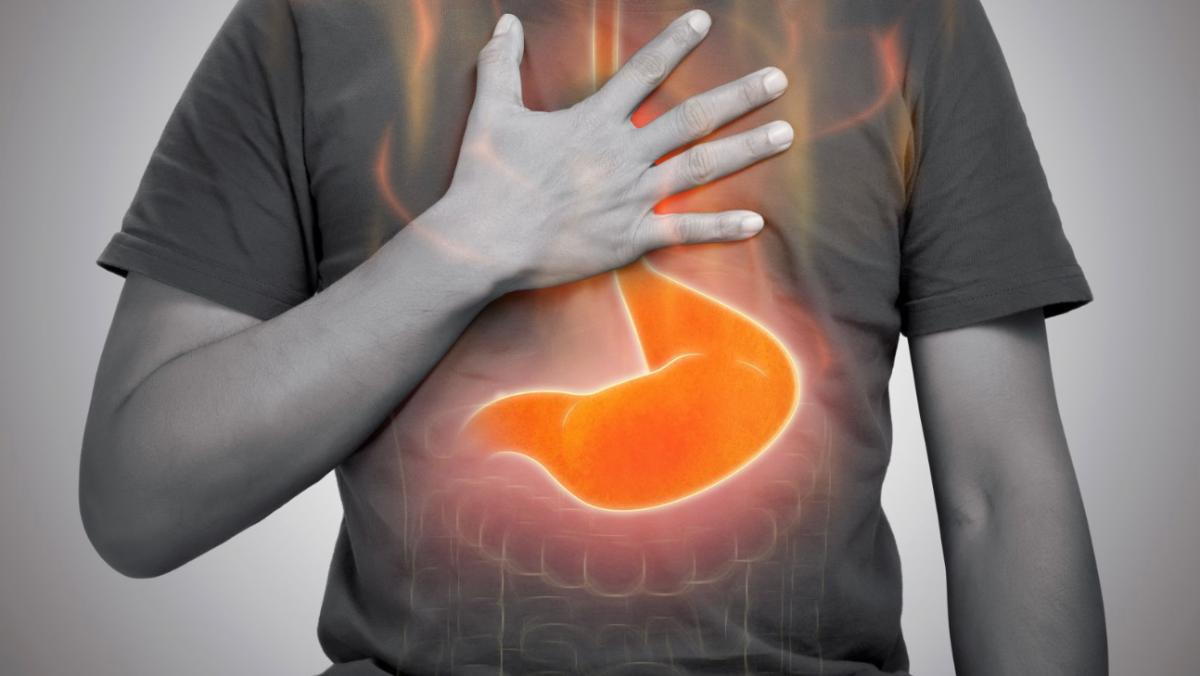
Gastroesophageal Reflux Disease (GERD) is a chronic condition where stomach acid flows back into the esophagus, causing symptoms such as:
- Heartburn
- Chest discomfort
- Regurgitation
- Chronic cough
- Hoarseness
- Difficulty swallowing
GERD is more than occasional acid reflux. When symptoms occur twice weekly or more, medical evaluation is recommended.
One of the most effective non-medication treatments is following a GERD-friendly diet.
What Is a GERD Diet?
A GERD diet focuses on reducing foods that trigger acid reflux while promoting foods that support digestive health and reduce esophageal irritation.
The goal is to:
- Reduce stomach acid production
- Prevent lower esophageal sphincter (LES) relaxation
- Minimize inflammation
- Improve symptom control
When combined with lifestyle changes, diet modification can significantly reduce reflux symptoms.
Best Foods to Eat on a GERD Diet
These foods are generally well-tolerated and less likely to trigger acid reflux:
1. Lean Proteins
- Skinless chicken
- Turkey
- Fish
- Egg whites
- Tofu
2. Non-Citrus Fruits
- Bananas
- Melons
- Apples (peeled)
- Pears
3. Vegetables
- Leafy greens
- Broccoli
- Carrots
- Zucchini
- Green beans
4. Whole Grains
- Oatmeal
- Brown rice
- Whole grain bread
- Quinoa
5. Healthy Fats (in moderation)
- Avocado
- Olive oil
- Nuts (small portions)
Foods to Avoid with GERD
Certain foods relax the lower esophageal sphincter or increase acid production, worsening reflux symptoms.
High-Risk GERD Trigger Foods:
- Fried or fatty foods
- Spicy foods
- Tomato-based sauces
- Citrus fruits (oranges, lemons, grapefruit)
- Chocolate
- Peppermint
- Onions and garlic
- Carbonated beverages
- Coffee and caffeinated drinks
- Alcohol
Note: Trigger foods vary by individual. Keeping a food diary can help identify personal triggers.
GERD Diet Meal Tips from GI Specialists
In addition to food choices, how you eat matters:
- Eat smaller, more frequent meals
- Avoid lying down within 2–3 hours after eating
- Elevate the head of your bed
- Maintain a healthy weight
- Avoid tight-fitting clothing around the abdomen
These simple changes can significantly reduce reflux episodes.
Sample One-Day GERD Diet Meal Plan
Breakfast:
Oatmeal with sliced banana and almond milk
Lunch:
Grilled chicken with brown rice and steamed broccoli
Snack:
Apple slices with almond butter
Dinner:
Baked salmon with quinoa and roasted zucchini
Evening Tip:
Avoid late-night snacking.
When to See a Gastroenterologist for GERD
While diet helps many patients, persistent symptoms may require medical evaluation. Untreated GERD can lead to complications such as:
- Esophagitis
- Strictures
- Barrett’s esophagus
- Increased risk of esophageal cancer
If you experience frequent heartburn, difficulty swallowing, chronic cough, or symptoms despite over-the-counter medications, schedule a consultation with a GI specialist.
Frequently Asked Questions About the GERD Diet
Does a GERD diet cure acid reflux?
A GERD diet helps manage symptoms but does not “cure” the condition. Many patients require a combination of lifestyle changes and medical therapy.
Is coffee completely off-limits?
Some patients tolerate small amounts of low-acid coffee. Others may need to eliminate it completely.
How long does it take to see improvement?
Many patients notice improvement within 2–4 weeks of consistent dietary changes.
Final Takeaway
Managing GERD starts with the right nutrition plan. A personalized GERD diet can reduce heartburn, improve quality of life, and prevent long-term complications.
If you struggle with chronic acid reflux, our gastroenterology team can create a customized treatment plan tailored to your needs.
📞 Contact our office today to schedule a consultation and take the first step toward lasting relief.
- posted: Feb. 25, 2026
What Is GERD?
Gastroesophageal Reflux Disease (GERD) is a chronic condition where stomach acid flows back into the esophagus, causing symptoms such as:
- Heartburn
- Chest discomfort
- Regurgitation
- Chronic cough
- Hoarseness
- Difficulty swallowing
GERD is more than occasional acid reflux. When symptoms occur twice weekly or more, medical evaluation is recommended.
One of the most effective non-medication treatments is following a GERD-friendly diet.
What Is a GERD Diet?
A GERD diet focuses on reducing foods that trigger acid reflux while promoting foods that support digestive health and reduce esophageal irritation.
The goal is to:
- Reduce stomach acid production
- Prevent lower esophageal sphincter (LES) relaxation
- Minimize inflammation
- Improve symptom control
When combined with lifestyle changes, diet modification can significantly reduce reflux symptoms.
Best Foods to Eat on a GERD Diet
These foods are generally well-tolerated and less likely to trigger acid reflux:
1. Lean Proteins
- Skinless chicken
- Turkey
- Fish
- Egg whites
- Tofu
2. Non-Citrus Fruits
- Bananas
- Melons
- Apples (peeled)
- Pears
3. Vegetables
- Leafy greens
- Broccoli
- Carrots
- Zucchini
- Green beans
4. Whole Grains
- Oatmeal
- Brown rice
- Whole grain bread
- Quinoa
5. Healthy Fats (in moderation)
- Avocado
- Olive oil
- Nuts (small portions)
Foods to Avoid with GERD
Certain foods relax the lower esophageal sphincter or increase acid production, worsening reflux symptoms.
High-Risk GERD Trigger Foods:
- Fried or fatty foods
- Spicy foods
- Tomato-based sauces
- Citrus fruits (oranges, lemons, grapefruit)
- Chocolate
- Peppermint
- Onions and garlic
- Carbonated beverages
- Coffee and caffeinated drinks
- Alcohol
Note: Trigger foods vary by individual. Keeping a food diary can help identify personal triggers.
GERD Diet Meal Tips from GI Specialists
In addition to food choices, how you eat matters:
- Eat smaller, more frequent meals
- Avoid lying down within 2–3 hours after eating
- Elevate the head of your bed
- Maintain a healthy weight
- Avoid tight-fitting clothing around the abdomen
These simple changes can significantly reduce reflux episodes.
Sample One-Day GERD Diet Meal Plan
Breakfast:
Oatmeal with sliced banana and almond milk
Lunch:
Grilled chicken with brown rice and steamed broccoli
Snack:
Apple slices with almond butter
Dinner:
Baked salmon with quinoa and roasted zucchini
Evening Tip:
Avoid late-night snacking.
When to See a Gastroenterologist for GERD
While diet helps many patients, persistent symptoms may require medical evaluation. Untreated GERD can lead to complications such as:
- Esophagitis
- Strictures
- Barrett’s esophagus
- Increased risk of esophageal cancer
If you experience frequent heartburn, difficulty swallowing, chronic cough, or symptoms despite over-the-counter medications, schedule a consultation with a GI specialist.
Frequently Asked Questions About the GERD Diet
Does a GERD diet cure acid reflux?
A GERD diet helps manage symptoms but does not “cure” the condition. Many patients require a combination of lifestyle changes and medical therapy.
Is coffee completely off-limits?
Some patients tolerate small amounts of low-acid coffee. Others may need to eliminate it completely.
How long does it take to see improvement?
Many patients notice improvement within 2–4 weeks of consistent dietary changes.
Final Takeaway
Managing GERD starts with the right nutrition plan. A personalized GERD diet can reduce heartburn, improve quality of life, and prevent long-term complications.
If you struggle with chronic acid reflux, our gastroenterology team can create a customized treatment plan tailored to your needs.
📞 Contact our office today to schedule a consultation and take the first step toward lasting relief.
